Can you name the emotion?
Feb 18, 2026Most people have a simple way of describing how they feel. Words like stressed, tired, or fine tend to cover a lot of ground, and in the moment they seem to do the job. But if you pause for a moment and look a little closer, there is often more sitting underneath those first responses.
What you may begin to notice is that emotions are rarely just one thing. They tend to carry layers, and what feels like a single experience can often be broken down into something more specific. A sense of stress might include pressure, uncertainty, or even a feeling of being overwhelmed. Each of those has a slightly different quality, and each one points you in a different direction.
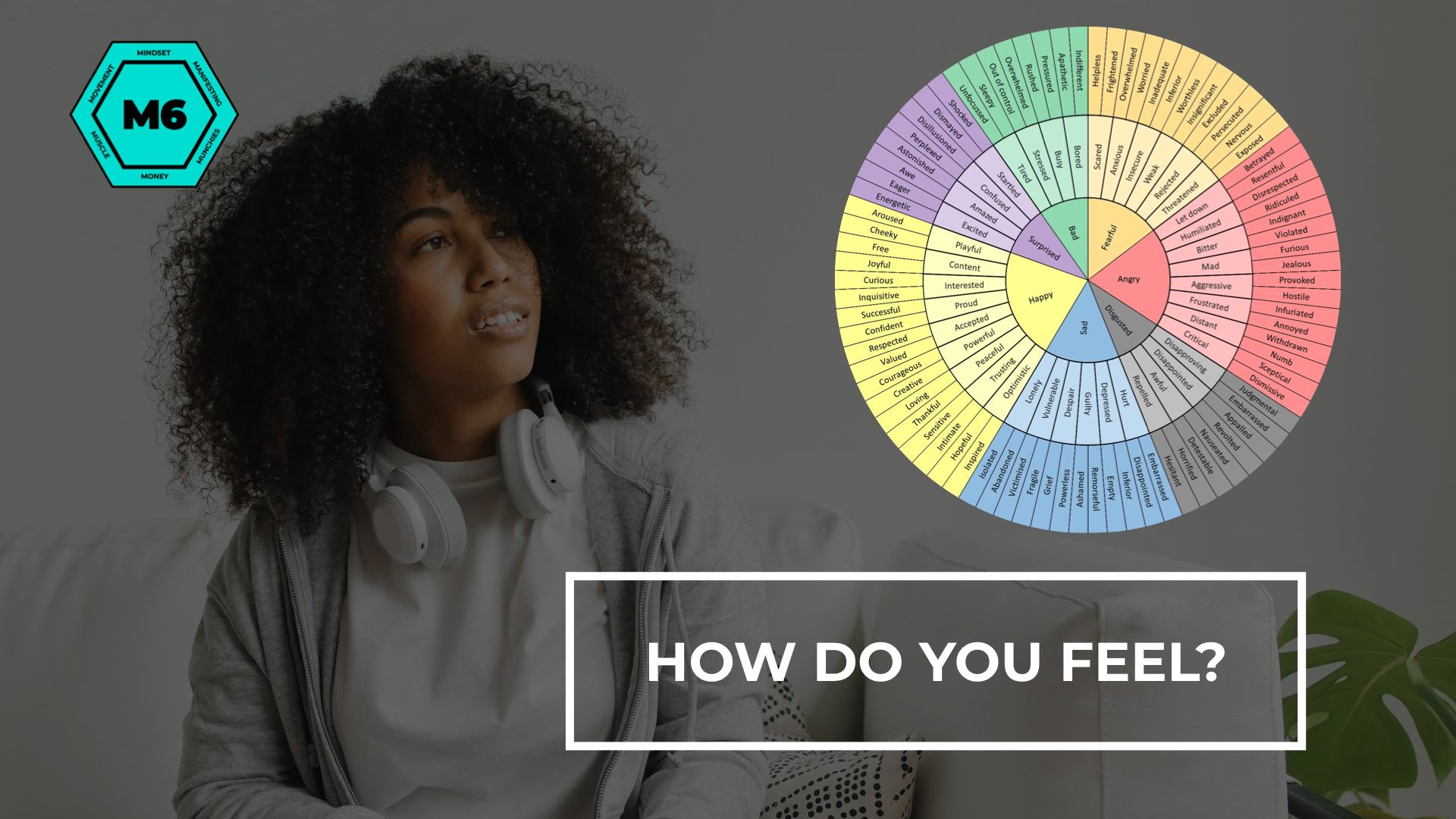
This is where something like the emotion wheel becomes useful. It offers a simple way of organising what you feel, starting with a small number of core emotions and then expanding outward into more detailed variations. Rather than seeing emotions as broad categories, it helps you recognise the range that sits within them, and how they can shift in intensity or blend together depending on the situation.
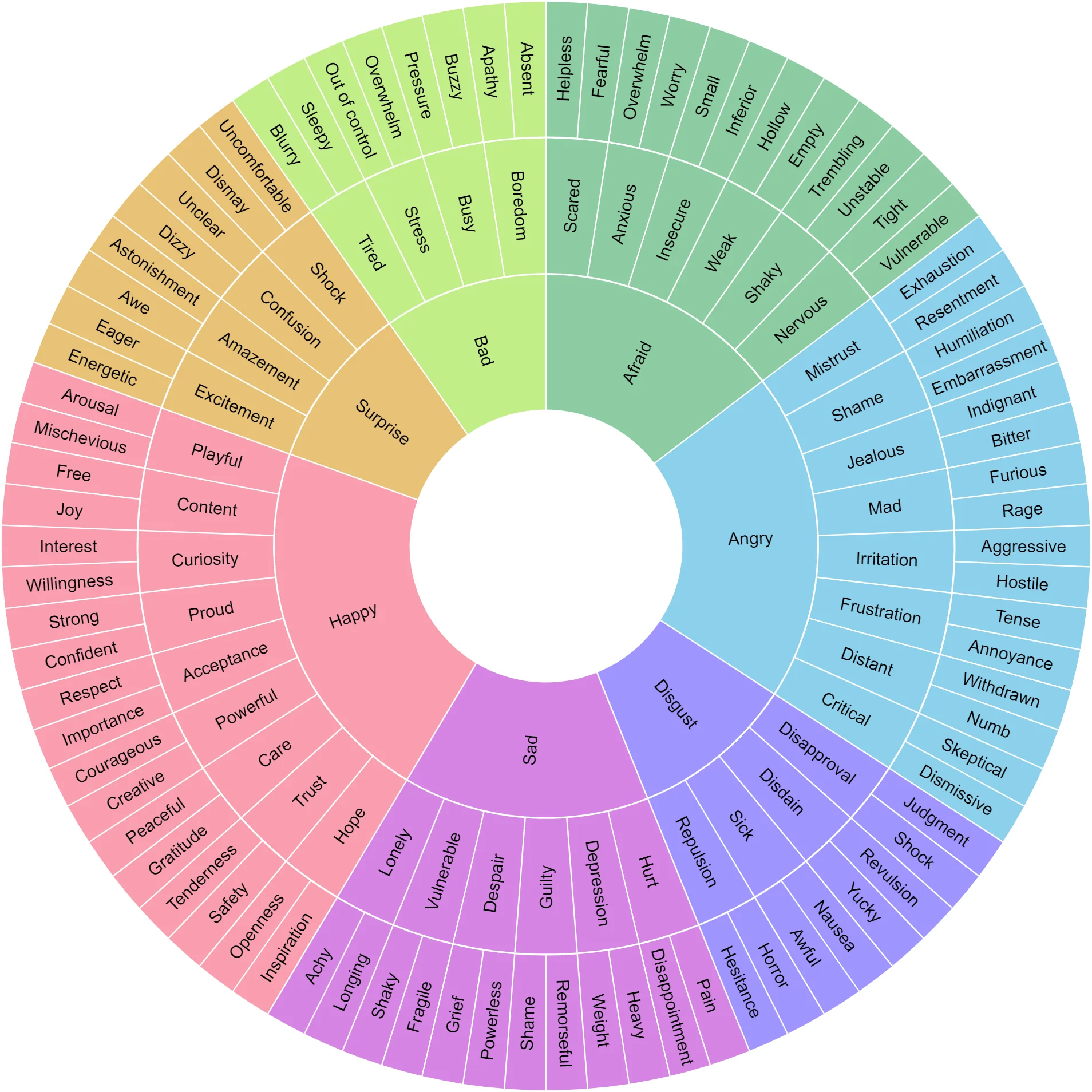
If you take a step back, the value in this is not the model itself, but what it allows you to see. When you begin to name what you are actually feeling, your awareness sharpens. Instead of sitting with a general sense of discomfort, you can start to understand what is really going on. That small shift tends to change how you respond.
For example, describing yourself as stressed can keep things vague and unresolved. When you recognise that what you are feeling is more about pressure or uncertainty, it becomes easier to work with. The same applies across other emotions. Anger might carry frustration, hurt, or a sense of being dismissed, and each of those invites a different kind of response once you see it clearly.
Over time, this creates a more deliberate way of moving through situations. Rather than reacting automatically, there is a moment where you can step back, understand what is happening internally, and choose how you want to respond. It is a subtle shift, but it tends to change the quality of your decisions and your interactions with others.
You might begin by simply noticing how you feel at different points in the day, and then asking yourself what sits underneath that first answer. There is no need to get it perfect. The process is more about building awareness than finding the exact word.
As that awareness grows, your relationship with your emotions starts to feel clearer. You are no longer trying to manage something vague or undefined. Instead, you are working with something you can see, understand, and respond to with more intention.